home_comfort_hero

Vacuum Insulated Panels (VIPs) Improve Home Comfort by Keeping the Floor Warm
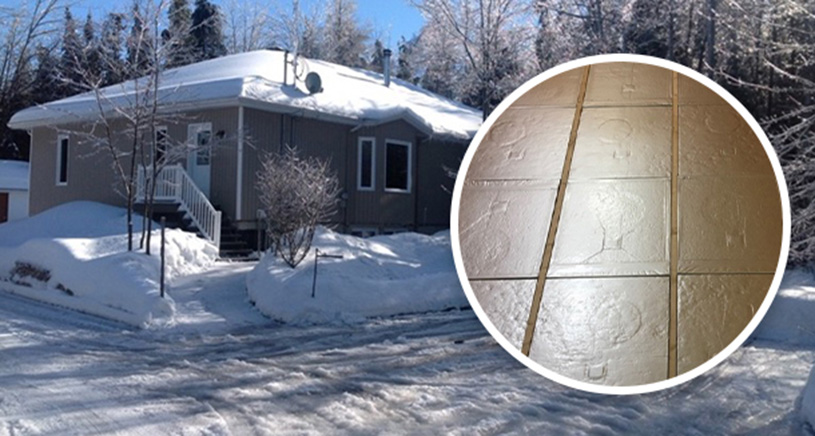
Jean-Luc Brousseau is a homeowner in Saint-Lambert-de-Lauzon, Quebec, a small town near Quebec City. His house was built in 2005 by a professional home builder to the latest industry standards, with a poured concrete foundation and basement floor. When it was complete, Mr. Brousseau moved in and set up a home office in his finished basement. 

Section Title

  • Challenge

    Retrofit the floor of a basement home office with a lowprofile thermal insulating solution that makes the room comfortable during the winter. 
  • Solution

    When conventional home insulation products proved inadequate, Panasonic vacuum insulation panels (VIPs) were selected for their R-30 rating and ½” thickness. 
  • Result

    VIPs increased the floor temperature by up to 4°C and eliminated major cold spots, transforming the home office into a comfortable workspace. 

Home Office Needs Floor Insulation Retrofit

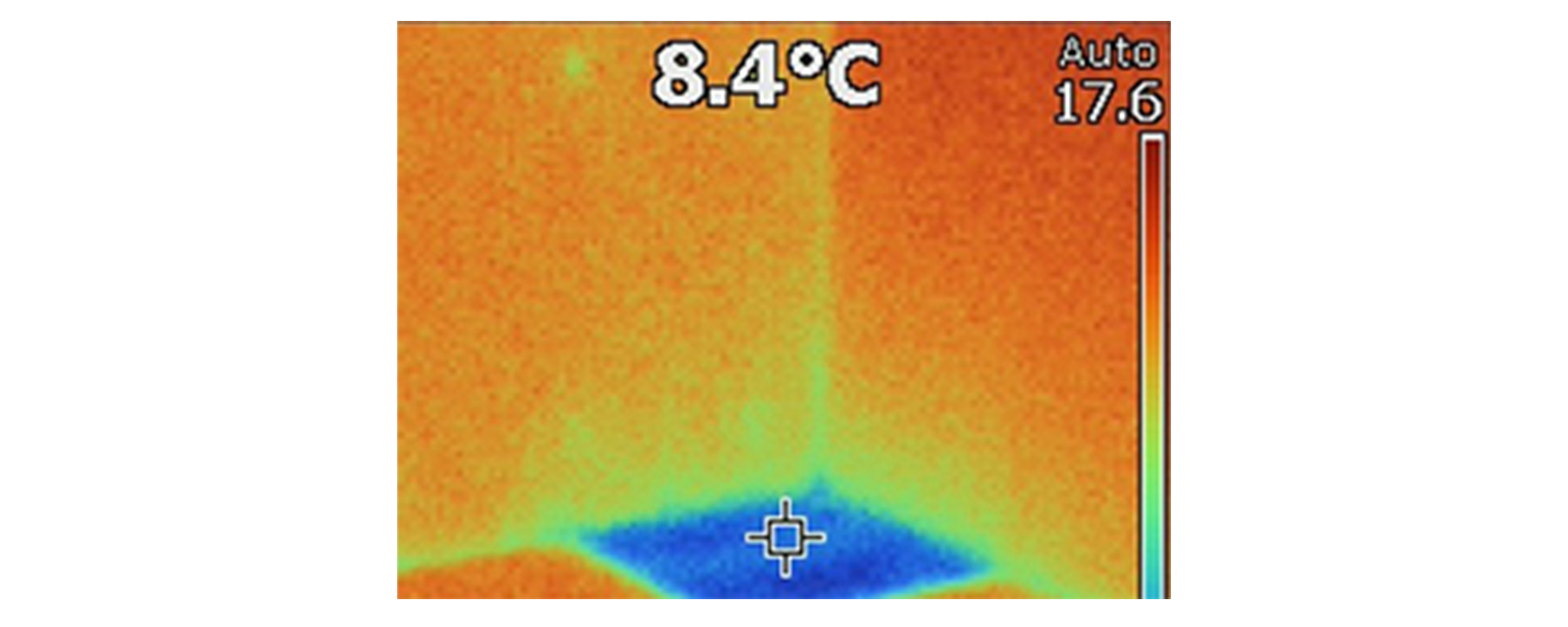
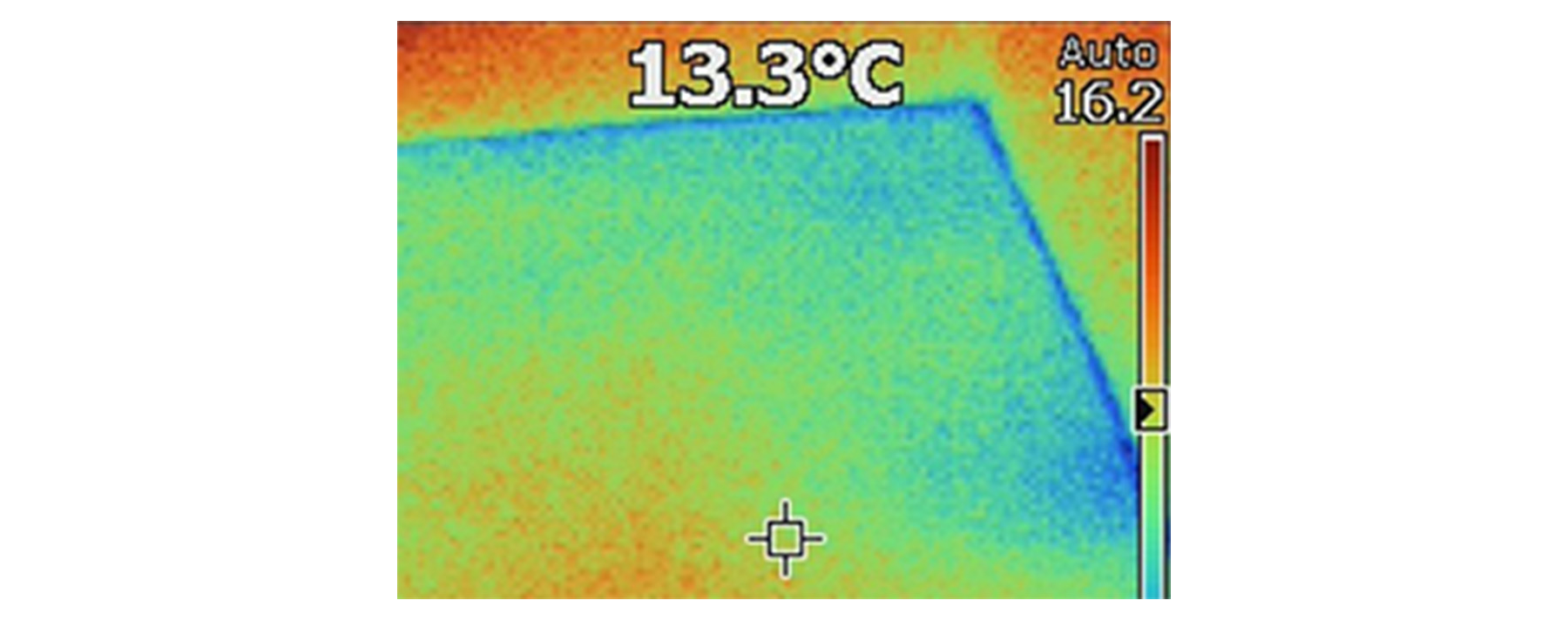
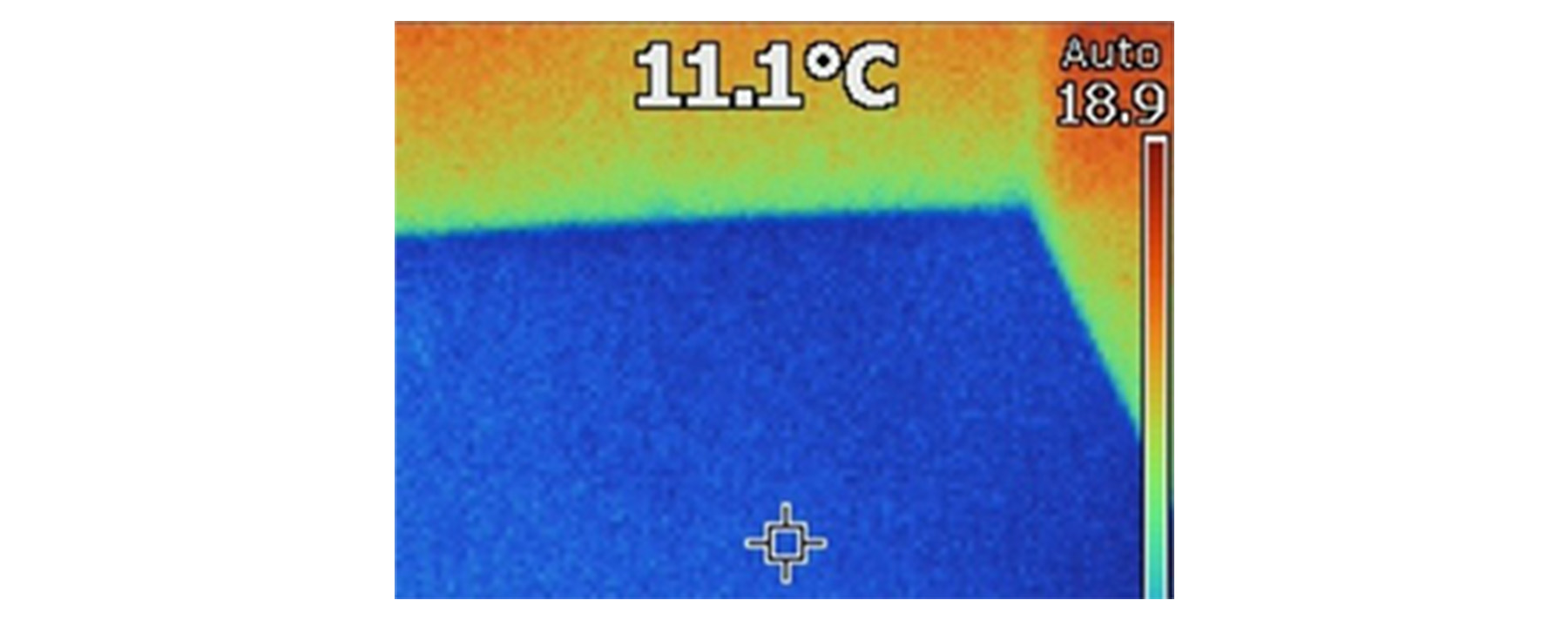
Mr. Brousseau found that his home office could become uncomfortably cold during the winter months. As he described it, the room was like a refrigerator. A thorough inspection with an infrared thermometer revealed significant heat loss through the floor: the average floor temperature was just 13.3°C, with one corner registering a chilly 8.8°C. HDF laminate flooring and a 3⁄22” (2.4 mm) sheet of foam underlayment was all that separated Mr. Brousseau’s feet from the cold concrete slab underneath.

To make the room more comfortable, Mr. Brousseau needed a low-profile insulating solution that could be installed between the flooring and concrete. Inserting a new layer of insulation would, of course, raise the floor, so the height of the existing door sill was the limiting factor for the insulation thickness. With this constraint firmly in mind, Mr. Brousseau quickly ruled out conventional home insulation products, none of which could simultaneously provide an adequate R-value and ultra-slim form factor. 

Installing the VIPs

Mr. Brousseau removed the HDF flooring and underlayment from a 10’ × 10’ (3 m × 3 m) section of his basement and cleaned the concrete surface of any debris that could damage the insulation panels. He then laid down 5/8” x 1-5/8” (16 mm x 41 mm) planks on 24” centres to fully support the weight of the upgraded floor structure. The custom 5/8” plank thickness was chosen to provide a ⅛” (3.2 mm) air gap above the VIPs, which were placed directly on the concrete between the planks. Finally, Mr. Brousseau installed ⅜” (9.5 mm) plywood over top and replaced the foam underlayment and HDF flooring. 
installing_vip_en
vip_case_study_chart_EN

Panasonic Offers High R-value in a Thin Panel

Mr. Brousseau eventually discovered Panasonic vacuum insulation panels (VIPs), a high-performance thermal insulating technology that relies on a vacuum chamber within the product to block heat transfer. The internal vacuum minimizes heat loss through conduction and convection, thereby providing a high R-value in a thin package. Panasonic’s patented Fiber Layer Arrangement Technology (FLAT) reduces thermal conductivity even further by arranging glass wool in an optimal pattern within each panel.

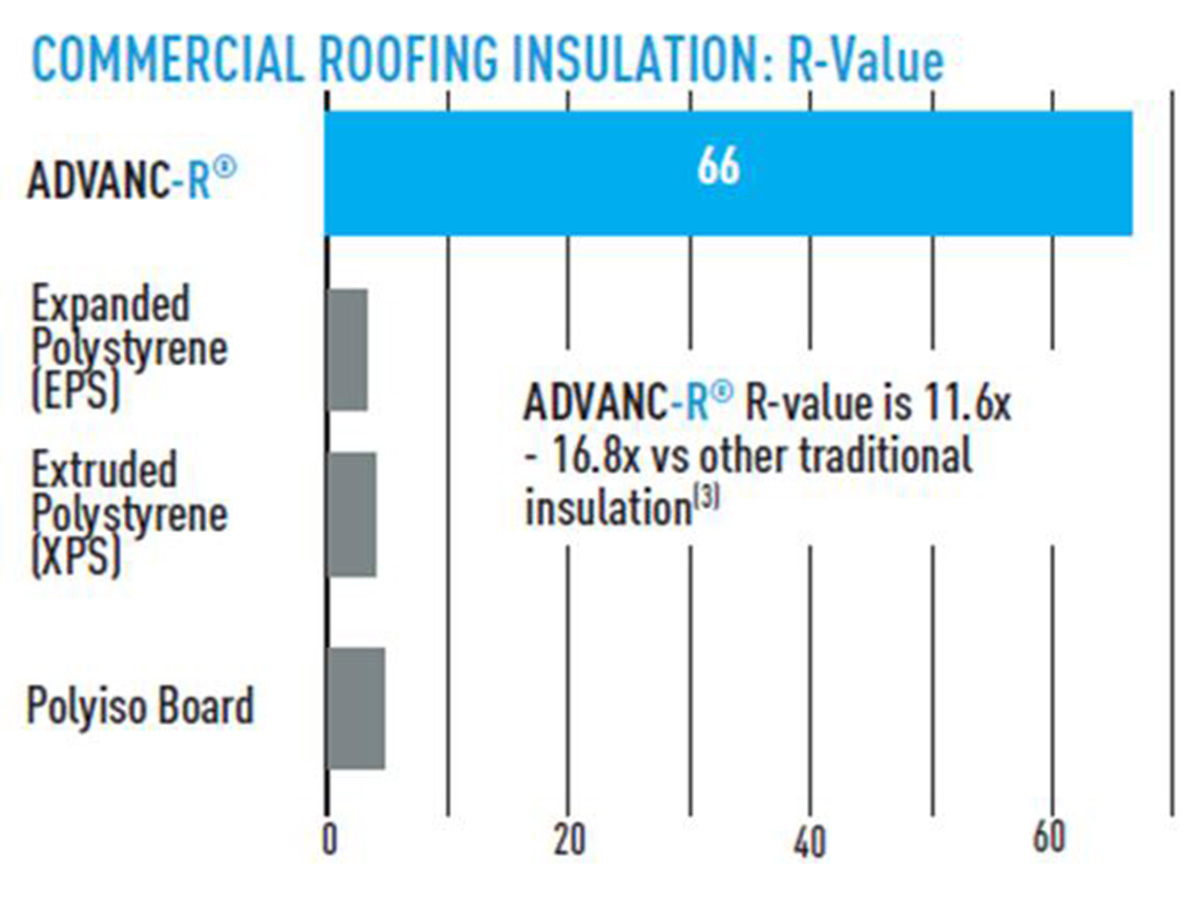
VIPs have been used extensively in residential and commercial building envelopes, refrigeration equipment and cold chain containers. They are rigid, non-structural, ready-to-use products available in a range of panel sizes, thicknesses and R-values, all designed for specific applications. For example, Panasonic ADVANC-R® VIPs offer an industry-leading R-66—up to 16.8 times higher than traditional insulation—and a Class A rating for smoke and flame, making them ideal for flat roofing applications that require a minimal profile. VIPs are made from 100% non-toxic materials and engineered to be 97% recyclable, by weight.

After consulting with Panasonic about the requirements of his floor retrofit project, Mr. Brousseau selected an R-30 VIP with a physical envelope of 22” × 24” × ½” (560 mm × 610 mm × 12.7 mm). For reference, this VIP offered 10 times more insulating value than standard ½” rigid foam board insulation, which typically has an R-3.0 rating or less.

VIPs Keep the Floor Warm and Comfortable

Before covering the VIPs with plywood, Mr. Brousseau took temperature readings to directly assess the panels’ effectiveness. He measured 17.6°C on the top surface of a VIP and 5.5°C on the concrete surface in the coldest corner of the room, a remarkable 12.1 °C difference.

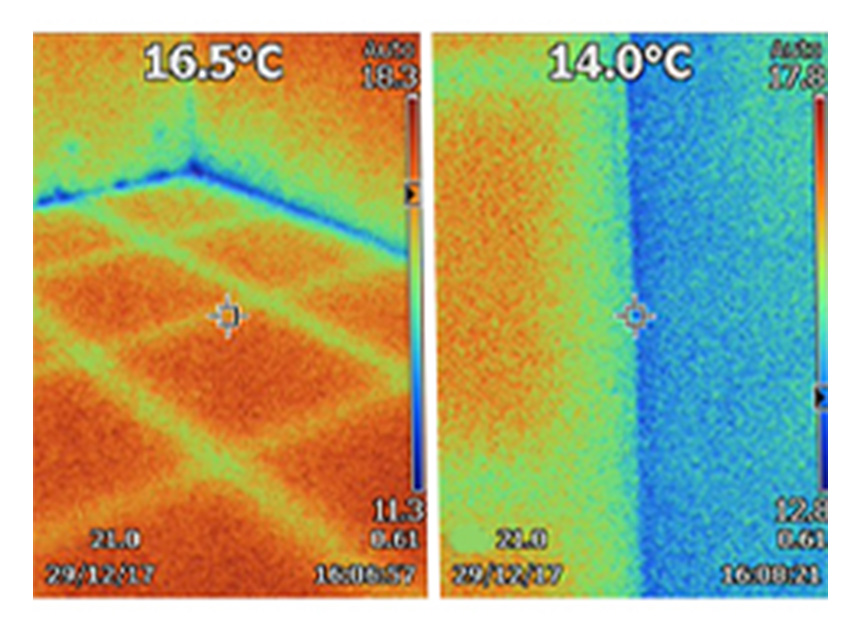
With the VIPs installed, the HDF flooring felt noticeably warmer underfoot. Mr. Brousseau measured the temperature again and found it to be in the 17–18°C range across much of the floor, with a minor drop-off over each support plank (where there is no insulation) and in the coldest corner. The average floor temperature was 16.5°C. He also measured the floor temperature in a section of the basement without VIPs and found it to be 12.8°C, or about 4°C cooler than in his office.

According to Mr. Brousseau, the VIPs significantly reduced heat loss through the basement floor, allowing him to work comfortably in his home office during the long, cold Quebec winters. The retrofit produced excellent results while raising the floor height by only a single inch.